DYSTOPIAN SPACE + MORPHIC INFINITY
DYSTOPIAN SPACE + MORPHIC INFINITY
Immersive Electroacoustic Composition / Audio-Visual Installation
In collaboration with Theresia Enzensberger for Stiftung Kunst und Natur, Nantesbuch
Duration: 27 min
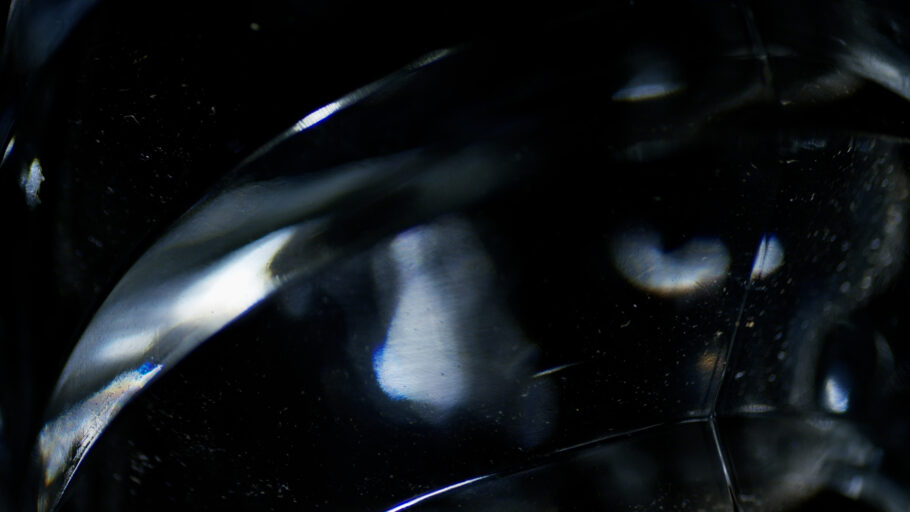
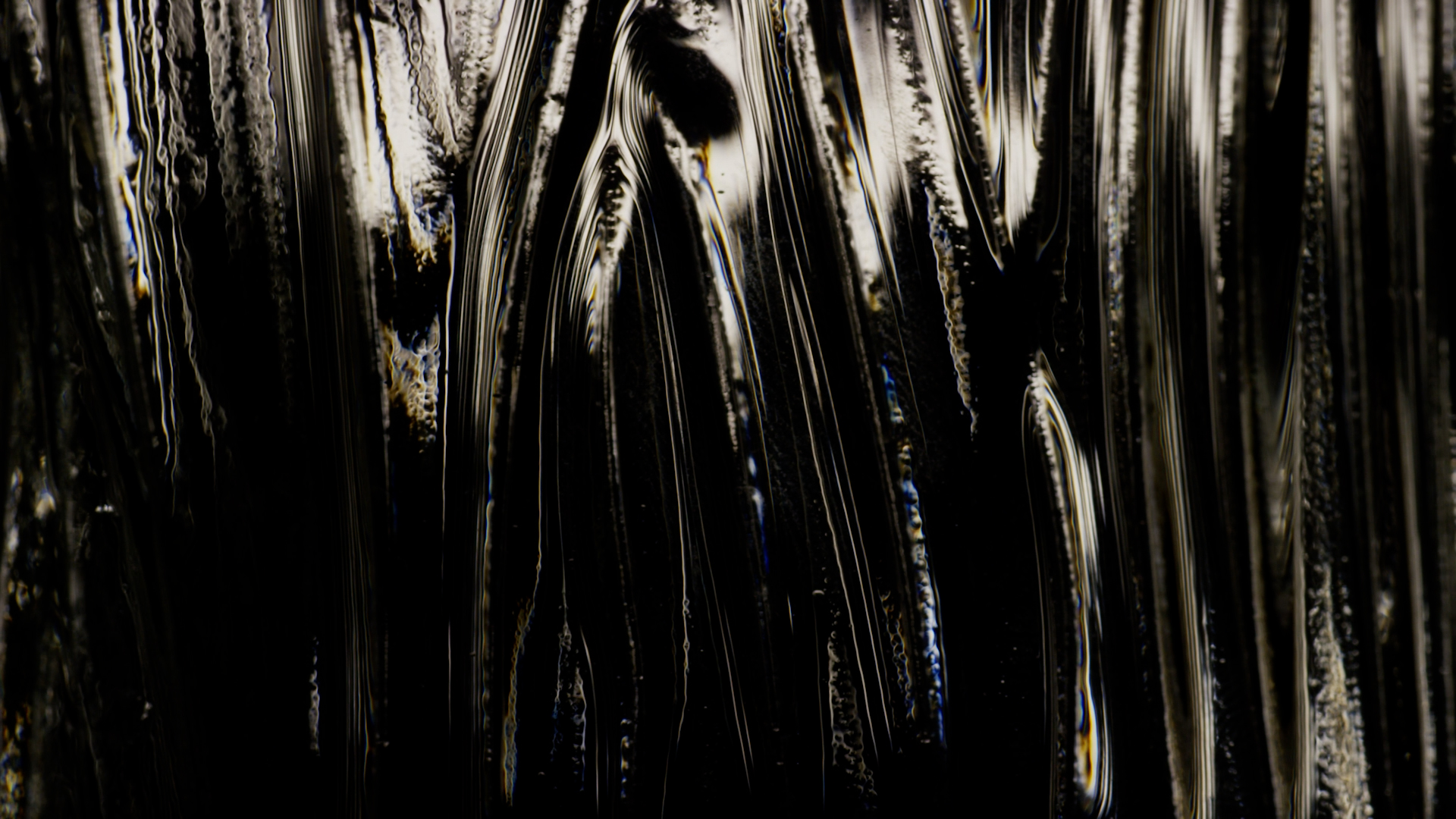
Dystopian Space + Morphic Infinity is an experimental elactroacoustic composition and audiovisual work that examines time, change, and transformation as shifting conditions that are never fixed but continuously in motion. The piece creates an immersive environment in which time time and space are experienced as physical phenomena, unstable, mutable and constantly reorganizing themselves. Sound and image function as a single interconnected system, forming an immersive spatial sonic landscape that envelops the audience, dissolving boundaries between hearing and seeing, shifting perception beyond a single sense.
Light, shadow, and sound form stratified textures that actively shape spatial experience. Surfaces reflect, absorb, scatter, and vibrate across surfaces, generating a dynamic architecture of perception. Through the interaction of these audiovisual layers, zones of compression and expansion emerge, heightening awareness of presence, scale, proximity, and emptiness. Space becomes perceptible as something dynamic and unstable, continuously produced through interaction.
The installation unfolds through three interconnected phases that operate less as a linear narrative and more as cyclical states in which transformation itself becomes both subject and material of the work:
Morphic Infinity introduces processes of continuous formation. Sculptural configurations of light and texture extend, interlock, and mutate, emphasizing the tension between rigidity and fluidity. Forms remain in perpetual transition, suggesting morphogenesis and ongoing reconfiguration rather than stable structure.
Dystopian Space marks a phase of destabilization and fragmentation. Visual and acoustic systems begin to disintegrate, probing entropy, resistance, and structural collapse. Previously coherent formations fracture into unstable constellations, exposing the fragility of constructed systems and the perceptual instability.
Floating emerges as a state of suspension and reduction. As structures dissolve, perception becomes weightless and open, revealing resonance, absence, and the limits of spatial perception. The environment shifts toward minimal presence, allowing sound and light to exist as traces rather than objects.
Throughout the work, sound and light act as active agents that generate shifting relational thresholds. The audience is positioned within a dynamic system of coexistence, resistance, dissolution, and collapse, encountering transformation not as progression toward resolution but as a continuous cyclical condition in which form, perception, and environment repeatedly emerge, destabilize, and reconfigure.